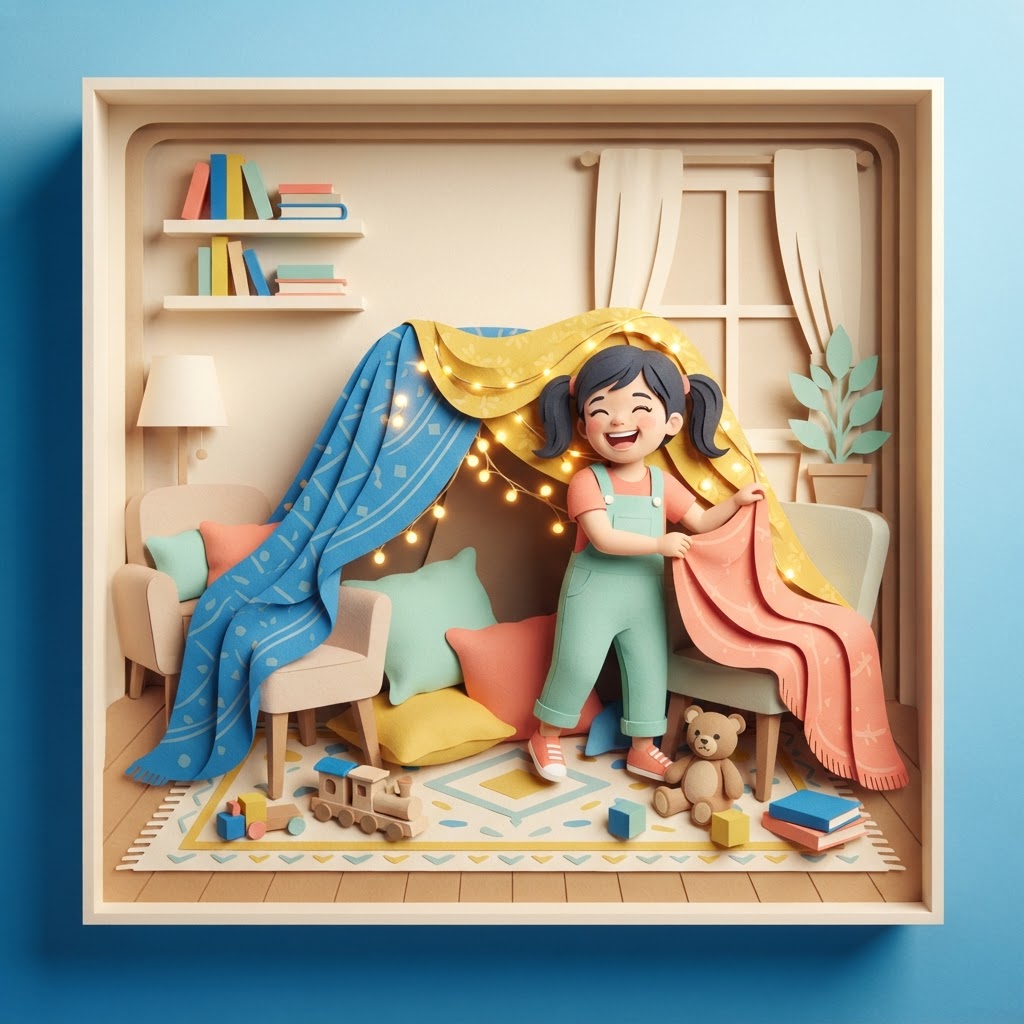
Why Boredom Is Good for Children
An empty hour is not a failure of parenting. It is where imagination gets its chance.
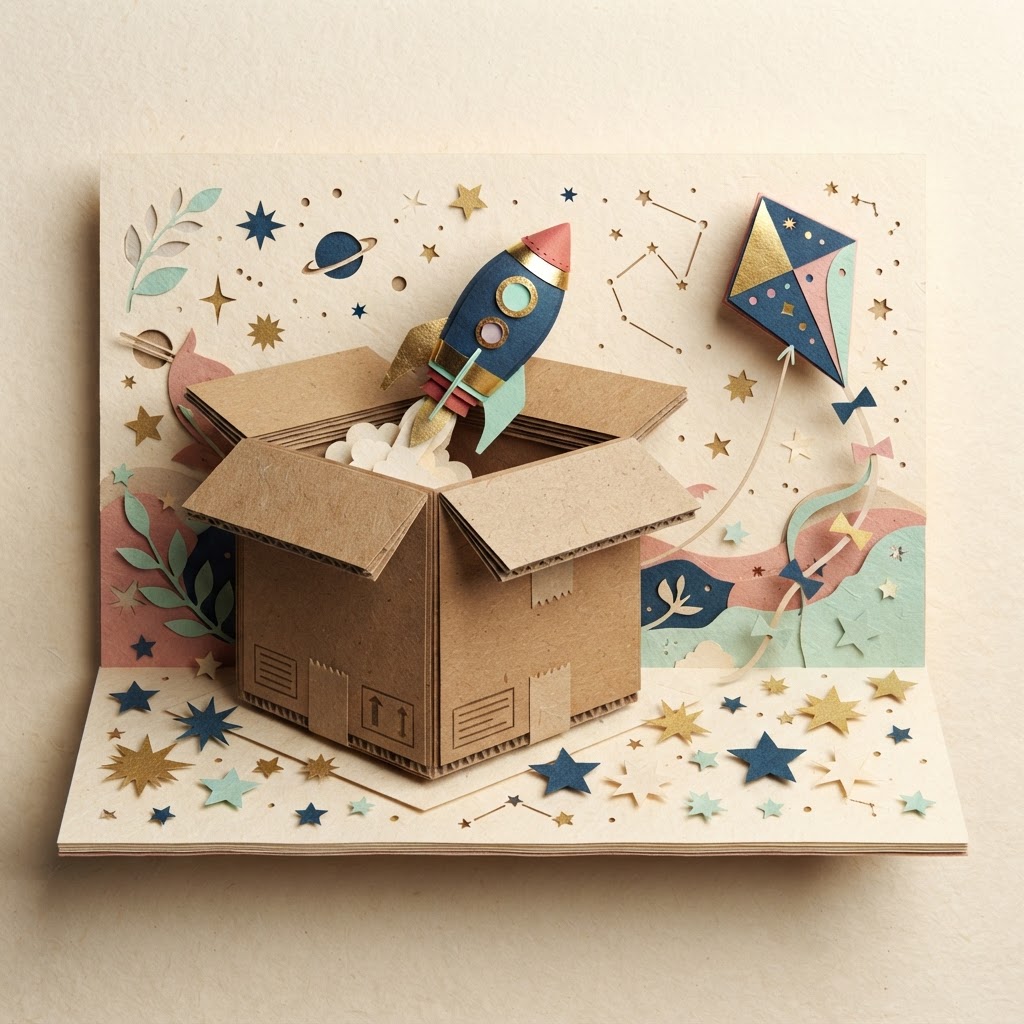
The Myth of the Busy Child
Somewhere along the way, an empty hour became something to apologise for. We fill the space, and children learn that a gap in the day is a problem someone else should solve.
It is worth pushing back on that. Boredom is not neglect. It is the raw material of imagination, and children need a little of it to find out what they actually like doing.
What Boredom Actually Does
A bored brain is not switched off. It is searching. The discomfort of having nothing to do is the signal that pushes a child to invent a game, build something, draw a world, or finally pick up the book that has been sitting there for a month.
If an adult arrives with a suggestion within thirty seconds of every complaint, that search never has to finish. The child learns to outsource it.
The Three-Minute Complaint
Most boredom complaints are not emergencies. They are a habit, and habits fade when they stop working.
When you hear "I'm bored", try acknowledging it without solving it: "That's a boring feeling." Then get on with what you were doing. Often within three minutes something begins. It may be messy. Let it.
Build a Nothing-to-Do Shelf
This is not a shelf of activities you prepare. It is a shelf of materials that suggest themselves: cardboard boxes, tape, scrap paper, a box of odd buttons, string, an old camera, a pile of fabric.
Make it accessible, and replenish it occasionally with something small. A roll of masking tape is worth more than most plastic toys.
Screens and the Boredom Gap
Screens are good at removing the gap entirely, which is exactly why they can crowd out the search. That does not make them the enemy. It just means the boring gaps need protecting deliberately.
If every spare moment is filled by a screen, the imagination never gets its turn. Choose the times when screens are off and hold them.
What to Say Instead of Suggesting
"I'm bored" met with "Only boring people get bored" is a small cruelty, and it is also untrue. Try instead:
- "What have you already ruled out?"
- "Do you want to be busy or do you want to be interested?"
- "There is paper and tape in the cupboard. I am not going to organise it for you."
- "I'll check on you in twenty minutes."
Then leave. The point is not to win an argument. It is to hand the problem back.
The Long Game
Children who can occupy themselves for an hour are easier to live with, better at concentrating, and far happier in their own company.
That capacity is built in dull afternoons, not in structured activities. The next time the house goes quiet and nobody is asking for anything, resist the urge to check whether something is wrong.
Something is probably right.
Keep the learning going
Dadahacks has curriculum-aligned lessons, worksheets and a personal tutor for every year group from Reception to Year 7.