
Supporting a Child with ADHD at Home
Practical, low-friction strategies for home-educating a child with ADHD, from short sessions to visual schedules and movement breaks.
Understanding ADHD in Learning
Children with ADHD can thrive in home education. The flexibility of learning at home means you can adapt to their energy levels, attention span and interests, in a way a class of thirty simply cannot.
ADHD affects attention regulation, impulse control and sometimes working memory. It is not a lack of intelligence or effort, and it is not caused by parenting. What looks like defiance is often a nervous system looking for stimulation, or struggling to switch tasks.
Key Strategies
Break Learning into Short Sessions
Instead of one long lesson, try 15 to 20 minute focused sessions with movement breaks in between. A session that ends while things are still going well is better than one that ends in a meltdown.
Use Visual Schedules
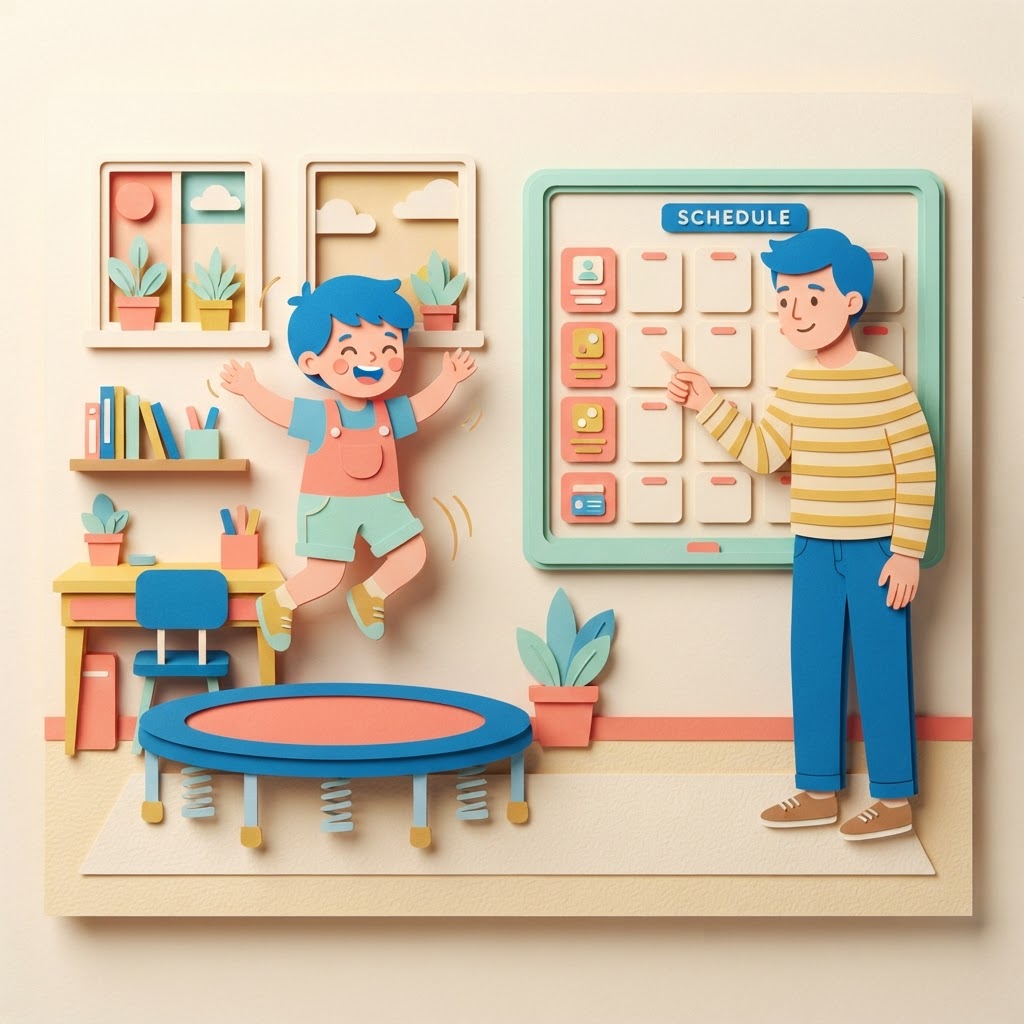
Visual timetables help children see what is coming next, which reduces the anxiety that often drives off-task behaviour. Keep it simple: three to five items, with a picture or a single word for each.
Make Instructions Short and Concrete
One instruction at a time, said once, with eye contact. "Shoes on, then coat" beats "get ready". Ask the child to repeat it back if needed.
Build in Movement
Movement is not a reward for finishing. It is part of how the brain works. Short bursts of jumping, stretching, or a walk around the block can reset attention better than a telling-off.
Catch Them Being Good
Praise the behaviour you want to see, immediately and specifically. "You started your work straight away" lands far better than a general "good boy".
Reduce the Friction
Prepare the workspace the night before, keep pencils where they are used, and clear distractions from the table. The easier it is to start, the more likely it is to happen.
Structure and Routine
Predictability is calming. Keep the shape of the day stable even when the content changes: breakfast, work, break, work, outdoors, free time. A visible routine lowers the number of decisions your child has to make.
Working with Professionals
If your child has a diagnosis or is on a waiting list, keep the professionals in the loop about what works at home. Strategies that succeed at the kitchen table are useful evidence.
Medication is a personal decision between families and clinicians. It is not a shortcut or a failure, and it works best alongside behavioural strategies.
Looking After You
Parenting a child with ADHD is relentless in a way that is hard to explain to people who have not lived it. You will lose your patience some days. Repair matters more than perfection.
Build a support network, protect some time for yourself, and remember that progress is measured in months, not afternoons.
Keep the learning going
Dadahacks has curriculum-aligned lessons, worksheets and a personal tutor for every year group from Reception to Year 7.